Kino immer anders
In postwar Poland a man and a woman meet in a newly founded national folk music ensemble – one is a conductor, the other a talented young singer. Quickly they form a special connection through music, even thoughtheir passion is at odds with their circumstances, drawing them apart again. What follows is the story of two broken souls trying to mend their wounds in a world which refuses to let them heal.
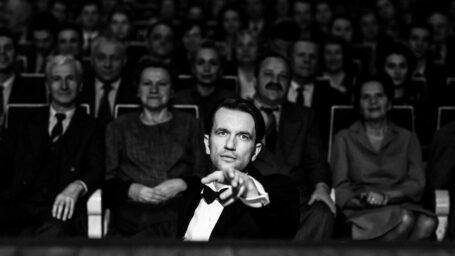
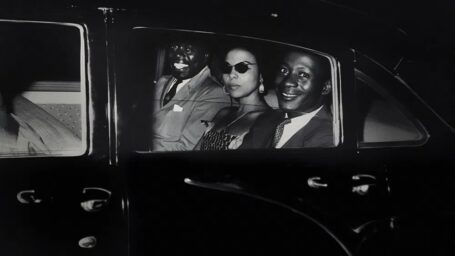
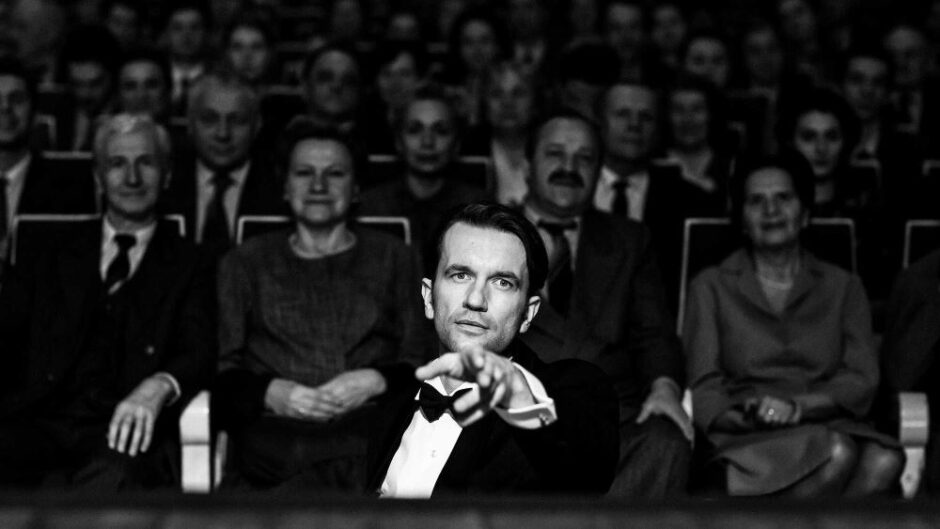
On a technical level Cold War is a step-up from Pawlikowski’s previous film Ida, adding movement to the unique visual style of a 4:3 black and white image. Pawlikowski lets his frames breathe, every single one masterfully arranged and assembled with great care, making this one of the most gorgeous looking films ever to be shown at Filmstelle.
The music in Cold War acts like the third party in a love triangle of epic proportions. In a great dance the characters move across postwar Europe – from Poland to East-Berlin, Yugoslavia to Paris, carefully navigating the politics of the time. While the musical scenes are an absolute treat for the ears, Pawlikowski knows well enough to let the most important moments sit in silence. The glances of the characters meeting, only accompanied by the sound of chirping crickets and the wind, one is left to wonder what music must be playing in their heads.
Christoph Bärtsch