Kino immer anders
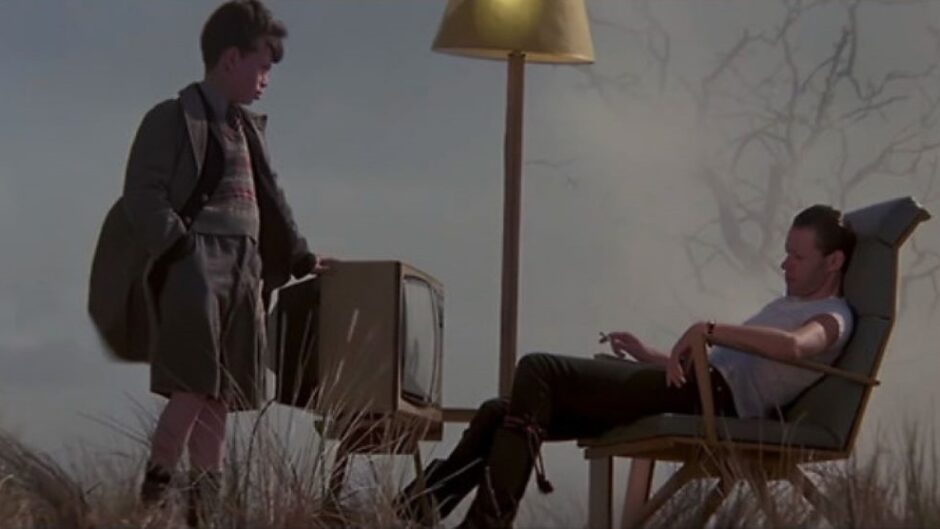
Pink sits paralyzed in a Los Angeles hotel room, staring blankly at a flickering television screen as he retreats from reality. He is a rock star at his breaking point, meticulously building a psychological wall out of the traumas of his past: the loss of his father to the war, a suffocatingly protective mother, and the cruelty of the British school system. As the story progresses and the final bricks are laid, Pink’s isolation mutates into a drug-induced fever dream where his identity fractures, transforming his stage persona into a terrifying, fascist demagogue.
Though directed by Alan Parker, the film mainly serves as the manifestation of Roger Waters’ 1979 concept album. The music doesn’t support the story, it is the script itself. Waters channeled his own disillusionment and alienation from his audience into a rock opera that is as deeply personal as it is nihilistic. The record’s recurring motifs and progressive structure provide the film’s rhythm, shifting from moments of acoustic vulnerability to massive, theatrical aggression. By translating the concept album so directly to the screen, the film allows the lyrics and David Gilmour’s guitar work to carry the weight usually reserved for dialogue. It functions as a visual companion to the record, focusing entirely on the internal mechanics of a mental breakdown.
Tonino Huser