Kino immer anders
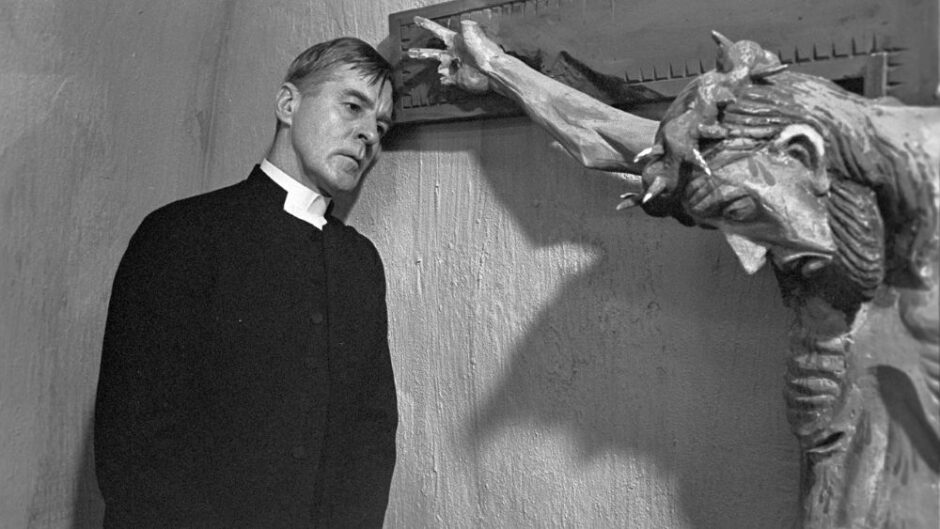
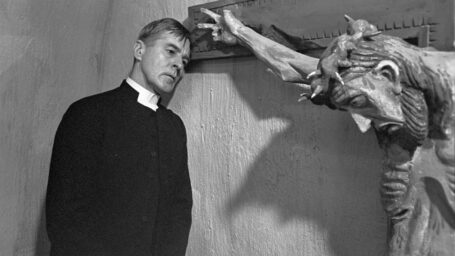
Thomas Ericsson is the pastor of a small congregation in rural Sweden. He is going through a profound spiritual crisis: after the death of his wife, he no longer feels any connection to God. The faith that had always sustained him has vanished, leaving him in a state of extreme vulnerability. He can no longer fulfill his role as a spiritual guide, and when a parishioner comes to him seeking help, all he can do is confess his own sense of disorientation. At the same time, he navigates a complicated relationship with a woman who cares deeply for him and strives to offer him emotional support.
Winter Light is part of director Ingmar Bergman’s trilogy devoted to the theme of “silence of God” and is one of the most celebrated works in his filmography. In addition to its stunning black-and-white cinematography—created by Bergman’s longtime collaborator, cinematographer Sven Nykvist—the film is remembered for its powerful portrayal of the protagonist’s religious crisis. However, Ericsson’s suffering does not remain confined to the spiritual realm: for a pastor, the loss of faith also entails the collapse of his professional abilities. Unable to perceive God’s presence any longer, the protagonist can no longer serve as a point of reference for his community. The celebration of the Mass is reduced to a ritual emptied of meaning, while a vocation that has always defined his identity loses all significance. In making a film about God’s absence, Bergman also, perhaps unintentionally, portrays a professional crisis, inviting us to reflect on a profession founded entirely upon spiritual conviction.
Dario Furlani